

How to Choose the Right Bow Sights
Selecting the appropriate bow sight is crucial for optimizing your accuracy, consistency, and confidence—whether you're deep in the woods hunting or punching groups at the range. Your choice impacts shot placement, especially at longer distances, and hinges on several factors including your bow type, draw weight, shooting style, and intended use.
Our Top Picks
Affiliate disclosure: if you buy through these links, we may earn a commission at no extra cost to you.

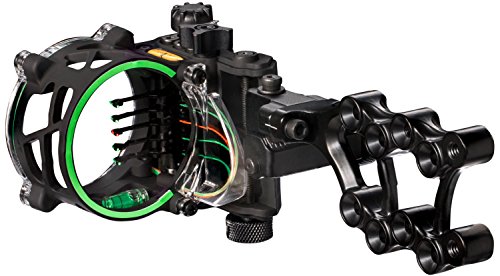
As a seasoned coach and competitive archer, I know that understanding the nuances of sight systems—such as pin configuration, mounting options, and reticle complexity—can make all the difference between a miss and a bullseye. This guide will break down key considerations to help you choose a sight that complements your gear and shooting discipline.
Single Pin Bow Sight for Compound Bow 0.019" Fiber 4X 6X 8X Lens Carbon Fiber Long Bar Micro Adjustable Sight Right-Hand (Only Bow Sight)
$114.99Check Price
Table of Contents
Understanding Your Bow and Shooting Goals
Before choosing a sight, it’s vital to evaluate your bow’s specifications and your primary shooting intent. For instance, a high let-off compound with a 70-pound draw weight and a draw length of 29 inches benefits from a sight that allows precise adjustments at variable distances, especially for target archery.
Conversely, hunting bows often operate at lower draw weights (55-65 lbs) with moderate let-off to maintain energy for deer-sized game, and your sight choice must accommodate quick target acquisition and often variable shooting distances—sometimes up to 40-60 yards or more. For recurve or traditional bows, simplicity and ruggedness tend to outweigh complex multi-pin setups, given the firing context and precision needs.
Types of Bow Sights and Their Features
There are primarily magnified, non-magnified, single-pin, multi-pin, and adjustable reticle sights. For hunting, most archers prefer fixed, illuminated pins with simple adjustments, favoring durability and fast target acquisition. Target shooters often opt for multi-pin sliders or micro-adjustable sights to fine-tune aim at varying distances.
Cam system design impacts sight choice; bow models with cam systems such as Hybrid or Inverse cams may influence sight housing clearance and portability. Additionally, eye relief, sight window size, and pin brightness are key considerations—especially in low-light conditions common during dawn or dusk hunts.
Matching Sight Features to Hunting and Target Shooting
Target archers benefit from multi-pin sights with micro-adjustable features. They enable precise, repeatable setups for different distances up to 100 yards or more, critical for scoring consistency.
Hunting requires quick target acquisition and forgiving accuracy at varying ranges. Single-pin adjustable sights—often with movable sliders or dial-in setups—are ideal, allowing quick range adjustments without clutter. Illumination is essential for low light, and a durable, weather-resistant design ensures reliability in field conditions.
Optimizing for Distance Accuracy and Tuning
Accurate shooting at distance begins with proper sight calibration and tuning. Use a reliable paper tune and arrow testing to verify that your arrow spins true and hits point of aim at your chosen yardages. Adjust your sight's pins or sliders accordingly, keeping in mind your bow's draw weight, let-off, and arrow spine matching.
Cam systems with more high-energy draw cycles, like cam-and-a-half or binary cams, tend to be more consistent for long-range shooting but can add complexity during tuning. Multi-pin sights require precise calibration, but once set, they often outperform fixed-pin systems in competitive settings due to their flexibility.
Practical Tips for Selecting the Right Sight
Start by considering your typical shooting distance, environment, and whether quick target acquisition or pinpoint precision is paramount. A hunting sight with illuminated pins and a compact profile often outperforms complex target sights in the field. For target shooting, prioritize fine adjustments, a larger sight window for aiming comfort, and multi-pin configurations.
Evaluate your skill level: beginners benefit from simple fixed-pin sights for ease of setup and use, while seasoned archers may prefer advanced, multi-pin or slider systems with micro-adjustments for ultimate accuracy.
Frequently Asked Questions
What is a pin sight and how many pins should I choose?
A pin sight uses individual fibers or LEDs to project pins for aiming. Usually, 3-5 pins are common—3 pins for hunting (e.g., 20, 30, 40 yards), and more pins or adjustable sliders for target shooting at varying distances.
Should I get illuminated pins for hunting?
Yes. Illumination increases visibility in low-light conditions, critical for ethical hunting at dawn or dusk. Many sights allow you to turn illumination on/off or adjust brightness levels.
What is a dropdown or slider sight?
A slider or drop-away sight allows quick adjustment of pin positions or moving the entire sight housing to different ranges, ideal for target archers needing fast, accurate changes between distances.
Is a larger sight window better?
Generally, yes. A larger window provides a more forgiving aiming area, especially useful in hunting scenarios requiring quick shots or when shooting instinctively in less-than-ideal conditions.
What maintenance is required for accuracy?
Keep your sight clean, check for loose screws or adjustments periodically, and re-calibrate as needed, especially after seasonal changes or heavy use. Proper tuning of your bow combined with sight alignment ensures optimal accuracy at distance.
Conclusion
Choosing the right bow sight involves understanding your specific shooting discipline, bow setup, and desired accuracy level. Whether outfitting a hunting rig or fine-tuning for a target competition, selecting a sight system that aligns with your needs will dramatically enhance your shooting performance. Start by assessing your typical shooting distances, environmental conditions, and skill level, then select features such as pin configuration, illumination, and adjustability accordingly.
Next step? Visit your local pro shop or range to test different sight models under real conditions. Remember, a well-chosen sight is a tool that empowers precision and confidence in every shot.
Frequently Asked Questions
How do I choose the right bow sight for my compound bow?
Consider your shooting goals and the type of bow you use. For compound bows, choose a sight with adjustable windage and elevation, and ensure it's compatible with your bow's riser and arrow rest.
What is the best bow sight for target shooting?
The best bow sight for target shooting is one with high visibility, precise adjustments, and a durable design. Look for sights with fiber-optic or LED features for better visibility in low light conditions.
Is it worth investing in a premium bow sight?
Yes, investing in a premium bow sight can significantly improve your accuracy and consistency. Premium sights often offer better durability, precision, and advanced features like adjustable windage and elevation.
How do I choose between a pin sight and a digital sight?
Choose a pin sight for simplicity and reliability, especially for hunting. Opt for a digital sight if you need advanced features like range estimation and real-time adjustments for target shooting.
What are the key features to look for in a bow sight?
Look for features like adjustable windage and elevation, durability, visibility, and compatibility with your bow setup. Also consider the type of shooting you'll be doing, such as hunting or target practice.
How do I match a bow sight to my shooting goals?
For hunting, prioritize accuracy and reliability with a sight that offers precise adjustments. For target shooting, focus on visibility and ease of use, ensuring the sight can handle longer distances and multiple pins.
What is the best way to test a bow sight before purchasing?
Test a bow sight in the field or at the range to evaluate its performance under real conditions. Check for accuracy, ease of adjustment, and how well it integrates with your bow and arrow setup.


